Quick Answer
A BIR audit follows a defined process—from the issuance of a Letter of Authority (LOA) to assessment and resolution. Businesses that understand the steps and prepare early are far more likely to minimize findings, penalties, and operational disruption.
What Is a BIR Audit (and Why Businesses Are Selected)
A BIR audit is a formal examination of your tax filings, books of accounts, and supporting documents to verify compliance with Philippine tax laws.
Businesses are usually selected due to:
- Data mismatches across filed returns
- Industry risk profiling
- Third-party data (banks, suppliers, platforms)
- Significant year-on-year fluctuations
- Random audit selection (less common today)
With increased digital monitoring, audits are now more targeted and data-driven.
Step-by-Step: What Happens During a BIR Audit
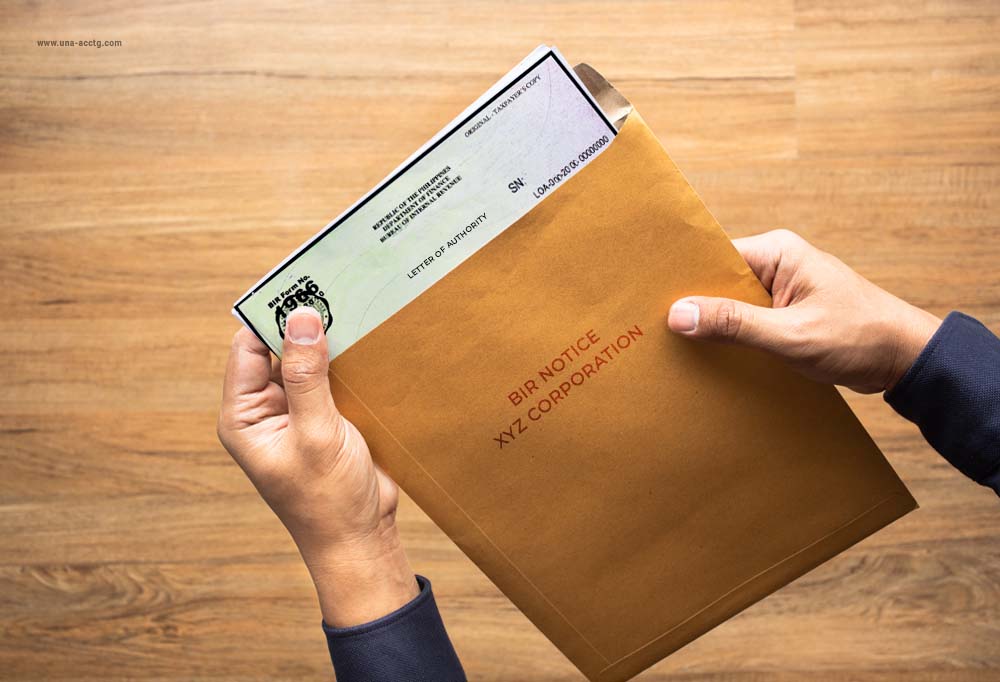
Step 1: Issuance of a Letter of Authority (LOA)
The audit formally begins when the BIR issues an LOA.
Only the revenue officers named in the LOA are authorized to examine your records.
What this means for you:
You are now officially under audit, and timelines start running.
Step 2: Initial Document Request
The BIR will request documents such as:
- Books of accounts
- Sales and purchase records
- Official receipts and invoices
- Tax returns and schedules
- Bank statements and reconciliations
Incomplete or disorganized submissions often expand the audit scope.
Step 3: Field Audit and Examination
Revenue officers review:
- Income vs declared sales
- VAT and withholding taxes
- Expense substantiation
- Accounting consistency
This phase often reveals discrepancies if records are not reconciled or aligned.
Step 4: Notice of Discrepancy (NOD)
If issues are found, the BIR issues an NOD detailing proposed findings.
You are given the opportunity to:
- Explain discrepancies
- Submit additional documents
- Clarify accounting or tax treatment
Early preparation makes this stage far less stressful.
Step 5: Preliminary Assessment Notice (PAN)
If explanations are insufficient, the BIR issues a PAN stating proposed deficiency taxes.
This is a critical response stage. Poor handling here can significantly increase assessments.
Step 6: Final Assessment Notice (FAN)
If unresolved, the FAN becomes final and enforceable unless formally protested within the prescribed period.
Common Mistakes Businesses Make During a BIR Audit
- Submitting inconsistent or rushed documents
- Explaining instead of reconciling data
- Responding late to notices
- Ignoring audit issues until penalties escalate
Most audit problems stem from preparation gaps—not intentional non-compliance.
How to Prepare Before an Audit Notice Arrives
Proactive businesses review:
- Alignment between tax returns and financial statements
- VAT and withholding tax reconciliations
- Expense documentation completeness
- Accuracy of digital filings
This is why many SMEs undergo a Tax Health Check or audit readiness review before problems arise.
Why Early Audit Preparation Saves Money and Time
Businesses that prepare early experience:
- Fewer audit findings
- Lower deficiency tax exposure
- Faster audit resolution
- Minimal business disruption
Audit defense is always more expensive than audit readiness.
Final Takeaway
A BIR audit is a process—not a punishment.
Businesses that understand the steps and prepare early are in control. Those that don’t are forced into reactive and costly decisions.
Need Help Preparing for a BIR Audit?
UNA supports SMEs through audit readiness reviews, tax health checks, and BIR audit assistance.
If you want to understand your exposure before an LOA arrives, book a FREE 15-minute consultation today.