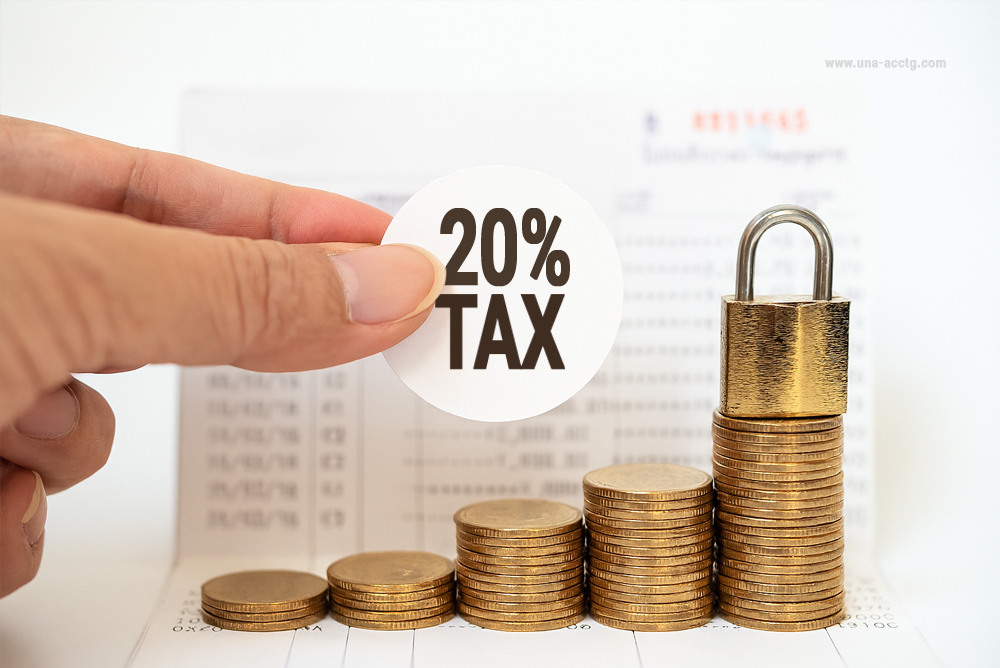
DOF Clarifies: CMEPA Does Not Tax Your Full Bank Savings
Many Filipinos were alarmed by social media posts claiming that all bank savings are now taxed 20% due to the new Capital Market Efficiency Promotion Act (CMEPA) effective July 1, 2025.
Some people even considered withdrawing their money from banks. But according to the Department of Finance (DOF)—this is false information.
What’s the Truth?
Only the interest you earn from savings or checking accounts is taxed at 20%, not the total amount in your bank account.
“Maraming umiisip na bubuwisan natin yung buong deposito… Walang ganun,” clarified DOF Secretary Ralph Recto.
In fact, this 20% tax on interest income has existed since 1998 long before CMEPA.
What Changed Under CMEPA?
Here’s what CMEPA actually changed:
| Before CMEPA | After CMEPA |
| Long-term time deposits (more than 5 years) were tax-free | Now taxed at 20% interest income tax |
| 99.6% of deposits were already taxed | Now, the remaining 0.4% (usually high-value accounts) are also taxed |
This move is meant to create fairer tax treatment across all income levels.
“Those with smaller savings were taxed if they withdrew early. But the wealthy who could keep money in the bank for years were not,” said tax lawyer Benedicta Du-Baladad.
Note: Deposits made before July 1, 2025 are not affected.
Why Was This Done?
The government wants to:
- Treat all savers equally
- Encourage investments in capital markets like mutual funds and the stock market
- Remove tax advantages for the ultra-wealthy
To support this, CMEPA also:
- Removed documentary stamp tax on collective investment schemes
- Reduced the stock transaction tax from 0.6% to 0.1%
hould You Start Investing?
Yes, but carefully.
Mike Villareal of the Bank Marketing Association says:
“If you have extra money, diversify. Don’t put everything in savings. Consider government securities or stocks based on your risk level.”
Still, economic think tank IBON Foundation warns that most Filipinos don’t have enough savings to invest.
“Three out of four Filipino families had no savings in 2024,” said IBON’s Executive Director Sonny Africa.
They suggest the government should focus more on raising wages and improving social safety nets.
What About the Banks?
Experts say banks may:
- Offer better interest rates to compete for long-term deposits
- Not significantly raise loan rates, especially if BSP cuts interest rates
“We can absorb the impact without raising rates for customers,” said Robert Jordan Jr., CEO of Asialink Group.
Will It Boost Government Revenue?
CMEPA is expected to generate over ₱25 billion in five years. Though the DOF says it’s revenue-neutral for now, Du-Baladad believes improved efficiency will lead to higher collections in the long run.
Key Takeaways
- Your total bank savings are not taxed—only the interest income is.
- The 20% tax rate isn’t new; it has been around since 1998.
- CMEPA removes unfair tax exemptions for large depositors.
- It aims to promote fairness and capital market investment.
- Banks may become more competitive by offering higher returns.
Tips for Savers and Investors
- Don’t panic—you’re not losing 20% of your savings.
- Review your bank account: Know if it’s earning taxable interest.
- Explore low-risk investments like government securities if you have extra funds.
- Understand your risk tolerance before investing in the stock market.
- Diversify your money: Deposit, invest, and save wisely.
Need Help Understanding New Tax Rules?
Whether you’re managing savings, planning investments, or handling tax compliance, our team at UNA Tax and Accounting Services is here to help. Book your FREE 15-minute consultation today!